Spring Budget: The Good, the Bad and the Ugly in 3 graphs
Society Matters Social Welfare Instructor Adam Matthews gives us a quick overview on Wednesday’s Spring budget.
The Good: Childcare
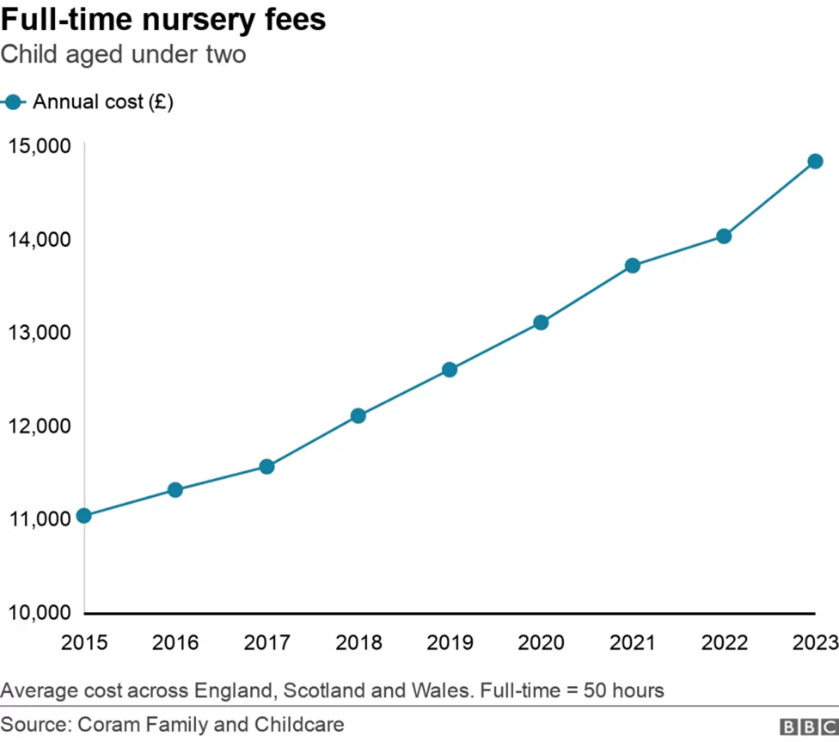
As we well know, childcare costs were already a huge pressure on families before the cost-of-living crisis, with the UK ranking as one of the most expensive places for childcare in the world. Childcare costs have rocketed since 2013 (see graph below) and the average annual cost of a full-time nursery place for a child under two in Great Britain is now a staggering £14,836.
Currently, working parents with three and four-year-olds are eligible for 30 hours of free childcare per week. It was yesterday announced that this will be extended to cover children below the age of three. There is no doubt this is a positive move for eligible families to have a bit more money in their pockets at the end of the month.
It will eventually cover all children from the age of nine months according to the chancellor. The bad news is this policy will be staged and not implemented immediately. The support will be staged, coming in for two-year-olds in April 2024, and September 2024 for those aged over nine months. Families are struggling now, and it would have helped to have been implemented immediately.
The other good news is the government has agreed to pay childcare costs up front on Universal Credit. Previously it was paid in arrears so people responsible for children had to pay upfront and often struggled with this.
The maximum amount people on universal credit can claim for childcare is also going up to £951 for one child, having been frozen at £646-a-month per child for several years. It will be £1,630 for two or more children. This is long overdue and will make a difference. It’s important to note this support will not be available on the old legacy benefits system and working tax credits.
The Bad: Energy Prices and Bills
The government have announced that support with energy bills will continue for another three months so a lot of people may ask why have I listed this as bad?
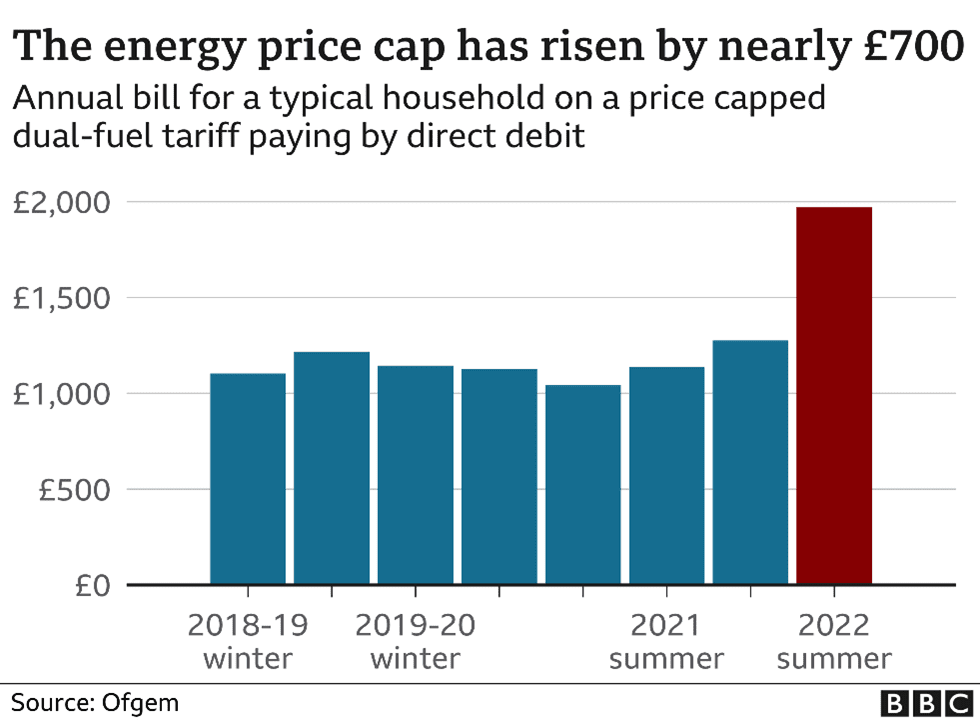
Under the Energy Price Guarantee, the government has been limiting energy bills for a typical household to £2,500 a year, plus a £400 winter discount. However, it’s important to note this isn’t a cap, if you use more energy than the ‘typical household’ you will pay more.
The bad news is typically, household bills are still double the level they were during the winter of 2021-22 and we have had several cold snaps recently with more to follow.
Charities such as Citizens Advice are swamped with people unable to pay their energy bills or top up their prepayment meters and have been for months. In 2022 Citizens Advice saw more people who can’t top up their prepayment meter than in the whole of the last 10 years combined .
As Energy Companies continue to make huge profits, we still have extremely high levels of fuel poverty, National Energy Action have predicted that 7.5 million people will still be in fuel poverty by April this year. I feel more is needed to be done on this front. A cheaper social tariff for vulnerable people on low incomes would be a better option with cost-of-living payments extended to families that need them.
One long overdue announcement is four million prepayment meter customers will no longer pay more per unit of gas and electricity than those who pay via direct debit. However, this is not the end of differential pricing as things stand.
If you pay quarterly, by cash or cheque then you are still likely to pay more than others for your domestic energy. So quite often this will be older or vulnerable people.
Previously, the cost was higher and many people who use pre-payment meters are classed as vulnerable or already in debt with their supplier. There is still the risk of people self- disconnecting as they are choosing between heating and eating. The forced instalment of prepayment meters is still currently paused while Ofgem works out what to do next.
The Ugly: Benefits Sanctions and changes to the Work Capability Assessment
The chancellor called this budget the ‘working budget’ and quoted “Those who can work should work. Sanctions will be applied more rigorously for those who refuse to take up a reasonable job offer.” But as we all know many benefit sanctions are triggered when they often shouldn’t be. Sanctions can have a devastating affect where a claimant can lose up to £11 per day for up to 182 days.
We have seen record numbers of sanctions recently, In the year to October 2022, DWP data shows that 523,967 UC sanctions were imposed. There were 117,865 in November 2022 alone which will have led to many claimants struggling financially over the Christmas period.
Benefit Sanctions have been shown to have little positive impact on employability while impoverishing claimants and increasing mental ill-health, debt and poverty.
The government have also announced that they are looking to scrap the often-criticised Work Capability Assessments for Universal Credit, which assesses claimants’ capacity for work, and instead using the personal independence payment (PIP) test, which measures the extra living costs of disability.
But how will this work? PIP and Universal Credit are two very different benefits, assessing different things. Also, as we know there are already huge backlogs and waiting times for both PIP assessments and decisions, so will these people be expected to look for work, struggle and inevitably be sanctioned? We will keep you updated on these changes when the government releases further information.




